
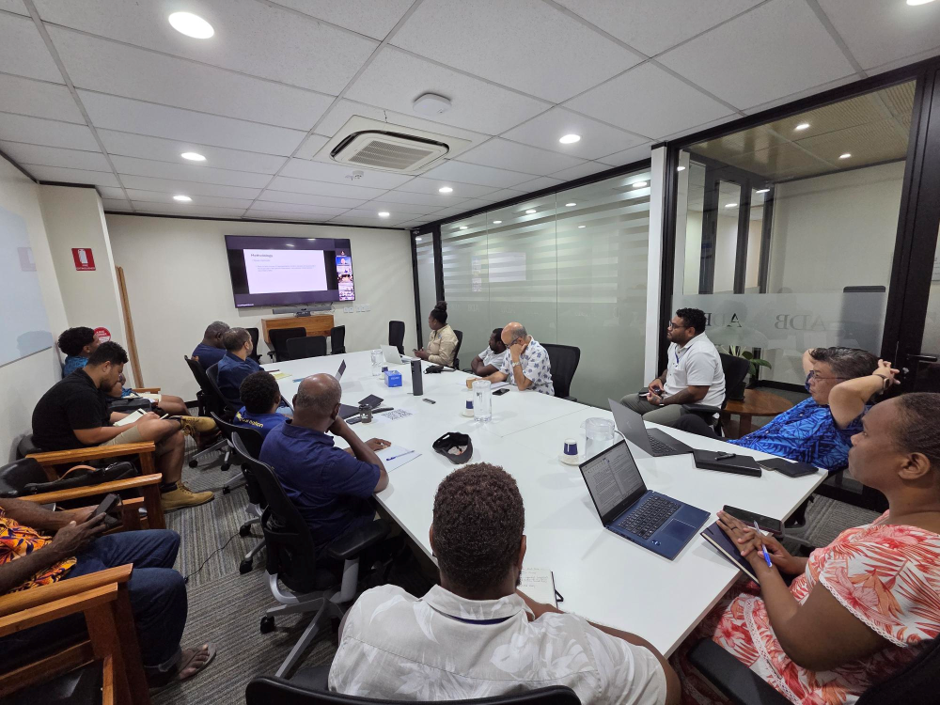
The Tina River Hydropower Development Project (TRHDP) recently hosted a presentation on the findings of the Mid-Term Socioeconomic Survey, delivered by Mr. Gerard Fitzgerald, the project’s MTS consultant. Stakeholders from various components (Community Benefit Sharing-Phase 2, Tina Hydropower Limited, Solomon Power) including Concessional Finance Partners (Asian Development Bank and the World Bank) and Lenders Technical Advisors attended the presentation by the Consultant.
The Mid-Term Socioeconomic Study (MTS) assesses the social and economic conditions of communities affected by the TRHDP. The study tracks changes since the Baseline Study (BLS), which was conducted during the pre-construction phase, and compares them with conditions during the construction phase. The findings provide valuable insights into the project’s social performance to date.
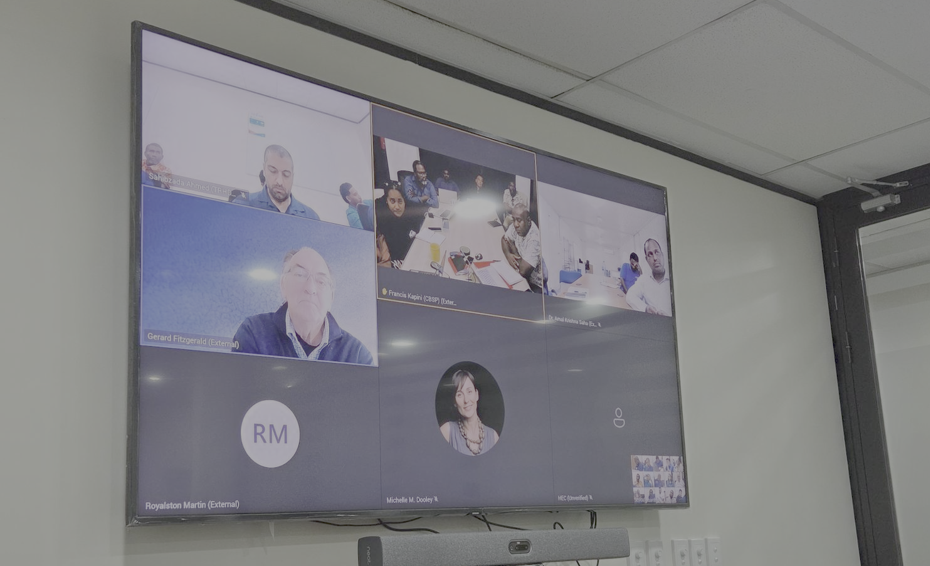
Key findings presented during the session focused on household livelihoods, quality of life, water, sanitation and hygiene (WASH), biophysical impacts and social consequences, as well as community attitudes towards the project.
Household livelihoods have changed significantly, driven primarily by the rise of artisanal gold panning, alongside cocoa production and employment opportunities. Gold-related income has become the dominant income source for many households, while income from logging has declined significantly. Income growth has not been evenly distributed across households, and the survey recorded a higher proportion of households below the international poverty line than in the 2020 Baseline Study.
Quality of life has generally improved for many households, reflected in better housing, road access, water and electricity supply, employment opportunities, and access to basic services. Compared to the 2020 Baseline Study, community perceptions of the Project have improved considerably, with more than half of respondents reporting a positive impact on their communities, attributing this mainly to employment opportunities, infrastructure development, and improved communication and engagement with the Project. A smaller proportion of respondents, however, continue to report neutral or negative views.
However, communities continue to report concerns related to river turbidity, dust, traffic safety, and other construction-related impacts.
While water supply and sanitation infrastructure have improved, many households continue to depend on the river as a primary water source and report challenges associated with non-functioning water supply systems.
The survey also found that project benefits are not perceived to be evenly distributed among all households and communities, with ongoing concerns regarding benefit sharing and unmet expectations.
In addition, the study identified emerging social issues, including increased alcohol consumption, traffic safety concerns, and questions regarding the long-term sustainability of community infrastructure. These findings highlight the need for continued collaboration between the Project and the affected communities.
The findings from the Mid-Term Study will support evidence-based decision-making and inform ongoing social monitoring, community engagement, and project planning as the construction phase progresses.
The session concluded with a question-and-answer discussion facilitated by the Consultant, Mr. Gerard Fitzgerald and TRHDP Environmental and Social Safeguards Manager (ESSM), Mr. Sahibzada Tanzeel Ahmed. Mr. Tanzeel closed the session by thanking project stakeholders who attended in person, as well as those who joined online.
The first large scale renewable energy project for the Solomon Islands delivering benefits such as more affordable electricity and improved accessibility to cleaner, more reliable energy sources for communities now and in the future. It is being implemented by the Solomon Island Government with financing and support from the Abu Dhabi Fund for Development, the Asian Development Bank, the Government of Australia, the Green Climate Fund, Korea EX-IM Economic Development Cooperation Fund, and the World Bank.
For more information, contact:
Communications Officer: Jeanine Gadepeta email: jeanine.gadepeta@tina-hydro.com
Tina Hydropower development project
+677 25133
About Tina River Hydro Development Project (TRHDP)
Find out more on www.tina-hydro.com