
From 8–12 December 2025, tribal leaders of the Upper Tina Catchment (UTC) gathered in a series of consultations aimed at strengthening collaboration, resolving longstanding issues, and advancing the establishment of Protected Areas (PAs) within the catchment. The purpose of these consultations is to provide awareness on the Protected Areas process to tribal leaders and representatives, and to hear their views on the future of conservation in the Upper Tina Catchment.
The consultations were held across two key communities. The Ngongoti Community hosted discussions on 8 and 10 December, while the Namoraoni Community welcomed leaders on 11 and 12 December.
Building Understanding Across the PA Process
Central to the discussions was the Protected Area (PA) Process, a structured pathway that guides tribes from initial awareness to the formal declaration of a protected area. It was acknowledged that tribes within the Upper Tina Catchment are at different stages of this process and therefore require tailored support and actions.
For tribes yet to begin the PA process, Many leaders highlighted the importance of first consulting their own tribal members. These internal discussions are necessary to build consensus on whether establishing a protected area aligns with the tribe’s aspirations and values. Once consensus is reached, tribal leaders may work with the Project Office and MECDM to understand and, if they wish, initiate the formal steps required under the Protected Areas Act, including any future public notice requirements.
For tribes that are more advanced in the PA process, attention has shifted to relationships beyond their own boundaries. Discussions emphasised the need to work with neighbouring tribes on boundary agreements, recognising that cooperation and mutual understanding are essential for long-term success.
Addressing Boundary and Leadership Disputes
The consultations also provided a space to openly discuss boundary and leadership disputes, particularly for those already well progressed in the process, discussions focused on boundary and leadership issues.
Have UTC Tribes organise themselves and agree on tribes that are to be placed in cluster groups. Once clusters are agreed upon, groups are documented as tribes, and tribal land boundaries are recorded. Tribal landowning groups with outstanding boundary disputes will be sidelined from clusters until they resolve their issues in a house of chiefs. Lastly, for those clusters that can agree on the tribal land boundaries, can arrange for boundary signing agreement consultations. [T1]
In cases of leadership disputes, participants expressed their intention to continue dialogue on leadership and reconciliation. Once resolved, the PO will be engaged to organise leadership consultations and establish appropriate management committees.
However, it was recognised that some disputes may be too complex to resolve at the local level alone. In such cases, participants noted that support may be sought from the House of Chiefs or other appropriate customary and formal mechanisms.
Strengthening Governance and Ensuring Benefits
Beyond dispute resolution, leaders strongly supported the establishment of an Upper Tina Catchment Advisory Body. This body would comprise knowledgeable and qualified tribal leaders tasked with guiding the development of an overarching UTC Management Plan. The aim is to ensure that protected areas are not only environmentally sustainable, but also culturally appropriate and firmly grounded in the traditions, values, and customary practices of UTC tribes.
Leaders also highlighted the pressing economic needs faced by many communities in the catchment and stressed that, for conservation to be sustainable, it should be coupled with clear and realistic pathways to social and economic benefits. These options are still being explored together with government and partners.
Looking Ahead
The consultations concluded with a renewed sense of shared responsibility and commitment. While the PA process is recognised as a 12-step journey—from developing proposals and consulting leaders, through mapping boundaries, engaging government agencies, and ultimately achieving official declaration, Participation in the PA process remains voluntary, and each tribe will continue to move at its own pace, based on internal consensus and customary decision-making.
The Upper Tina Catchment Consultations of December 2025 laid a strong foundation for moving forward together, balancing conservation with culture, and ensuring that future generations inherit both healthy ecosystems and strong tribal identities.
[T1]Is it important to tell public about these specific details. or the clusters formation progress.The article should be simple that PO initiated the engagements and what is the purpose of these engagements..
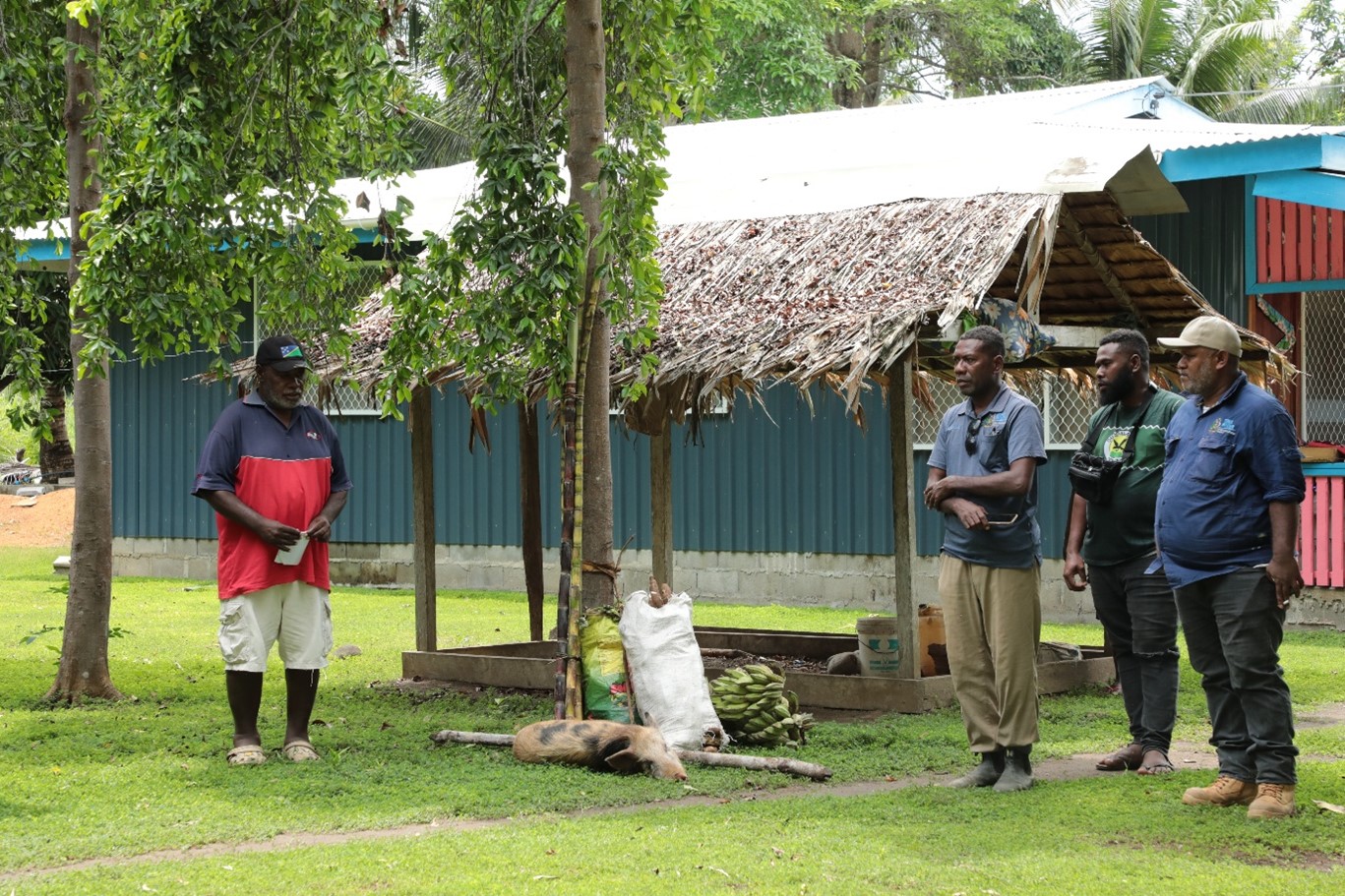
 Photo 1 – Project Office Team Representative and a Tribal Leader Representing Bahomea House of Chiefs during the Protocol Sessions before the Protected Area Consultations.
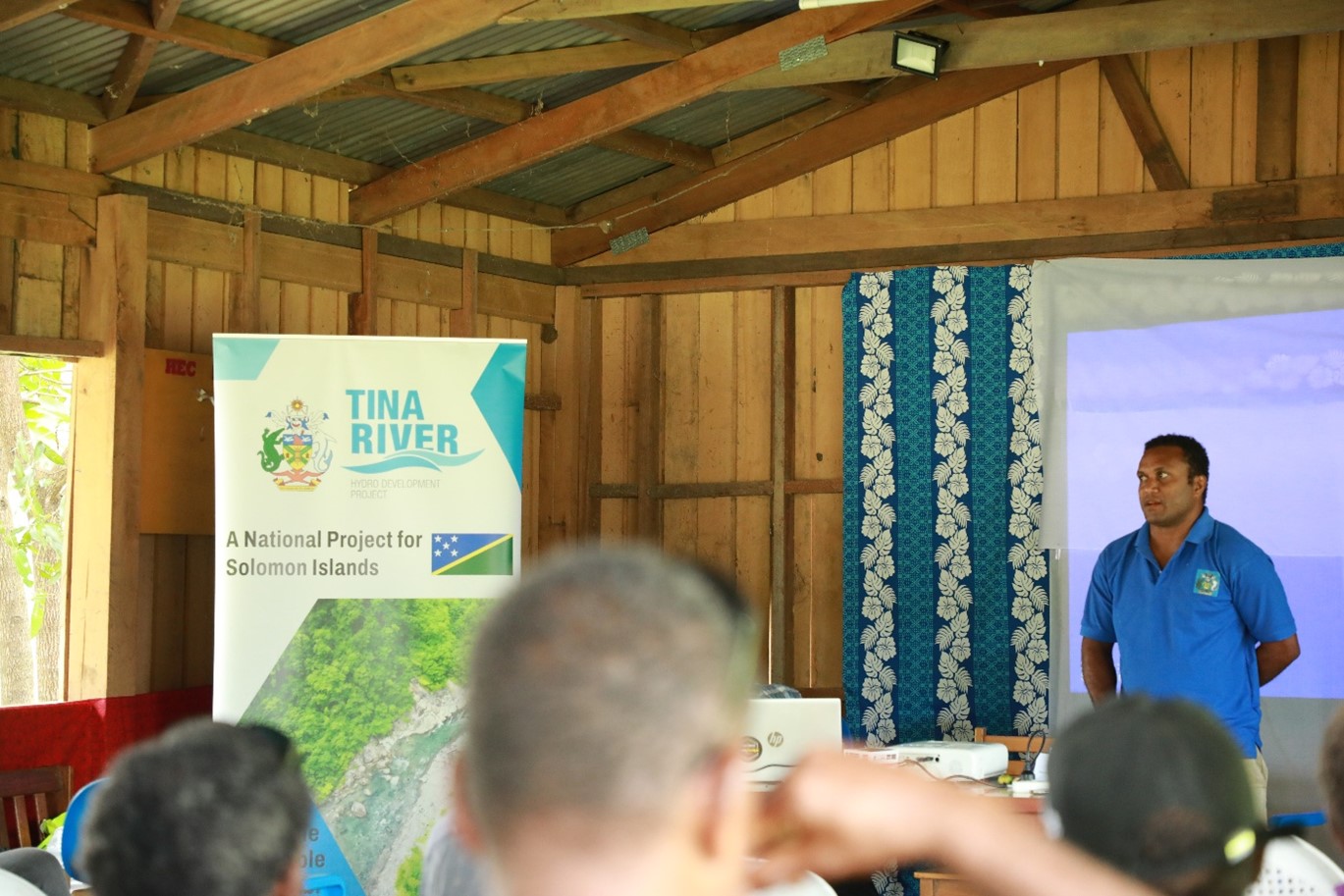
Photo 2 – Fredrick Dotho of MECDM ECD doing his Presentation of Protected Areas for Members and Leaders within the Bahomea House of Chiefs Region.
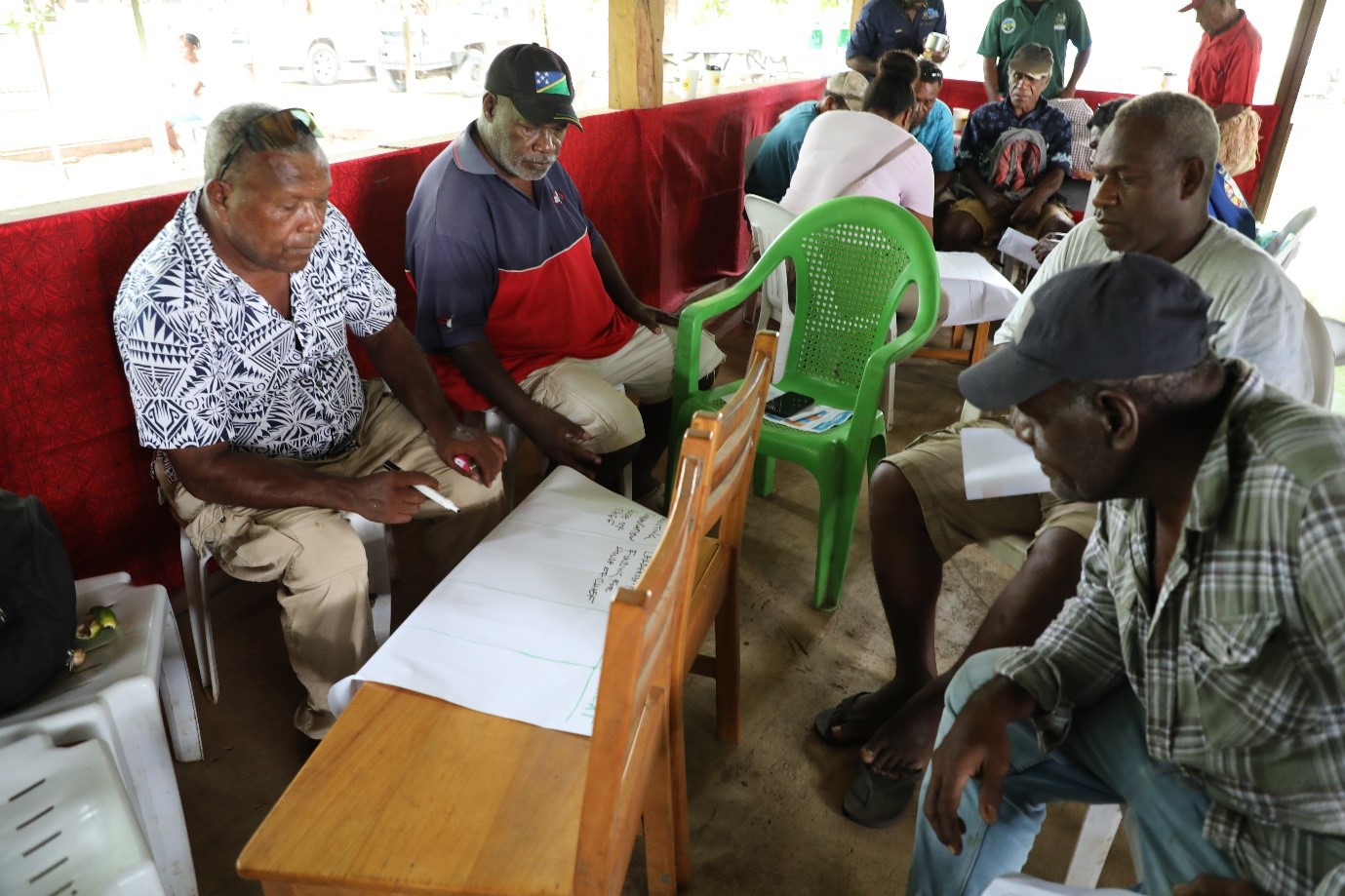
Photo 3 – A Leaders and Chiefs' Focus Group Discussion One on SWOT Analysis for Protected Areas.
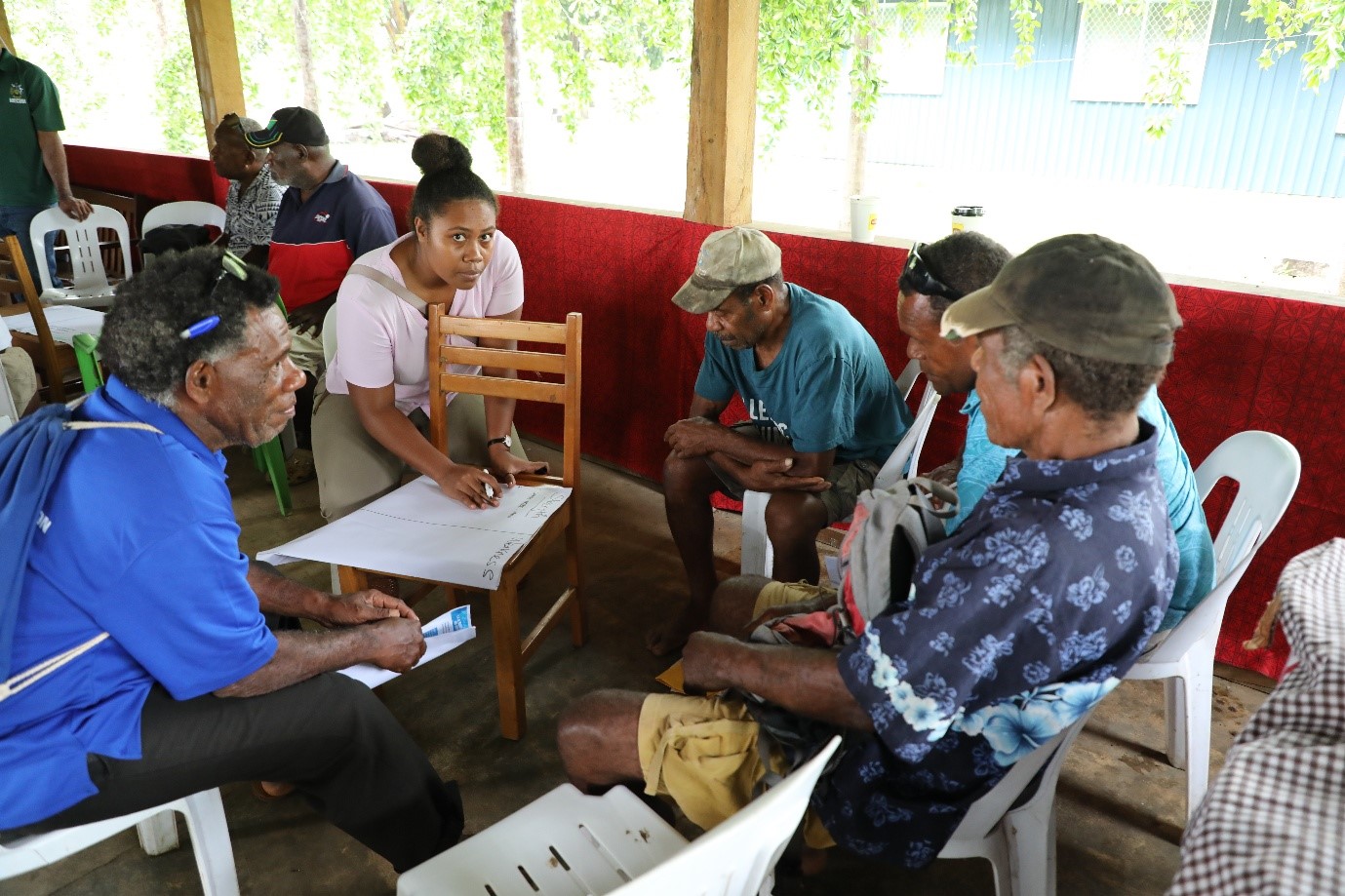
Photo 4 – Daisy of GP Lands Department facilitating the 2nd Bahomea Group Discussion on SWOT Analysis for Protected Areas.
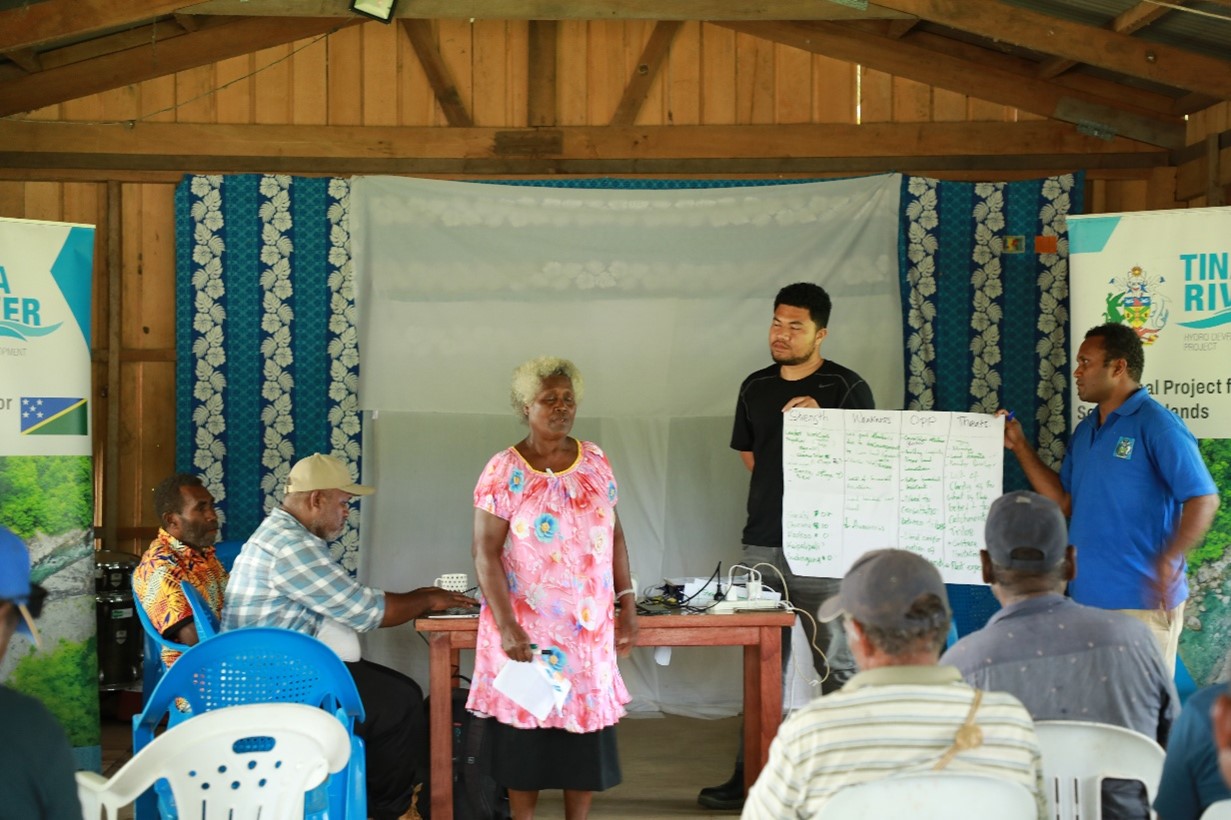
Photo 5 – Female Representative for the Charana Tribe doing a presentation on SWOT Analysis Activities on behalf of Group Three for the Bahomea House of Chiefs and Leaders Consultation.
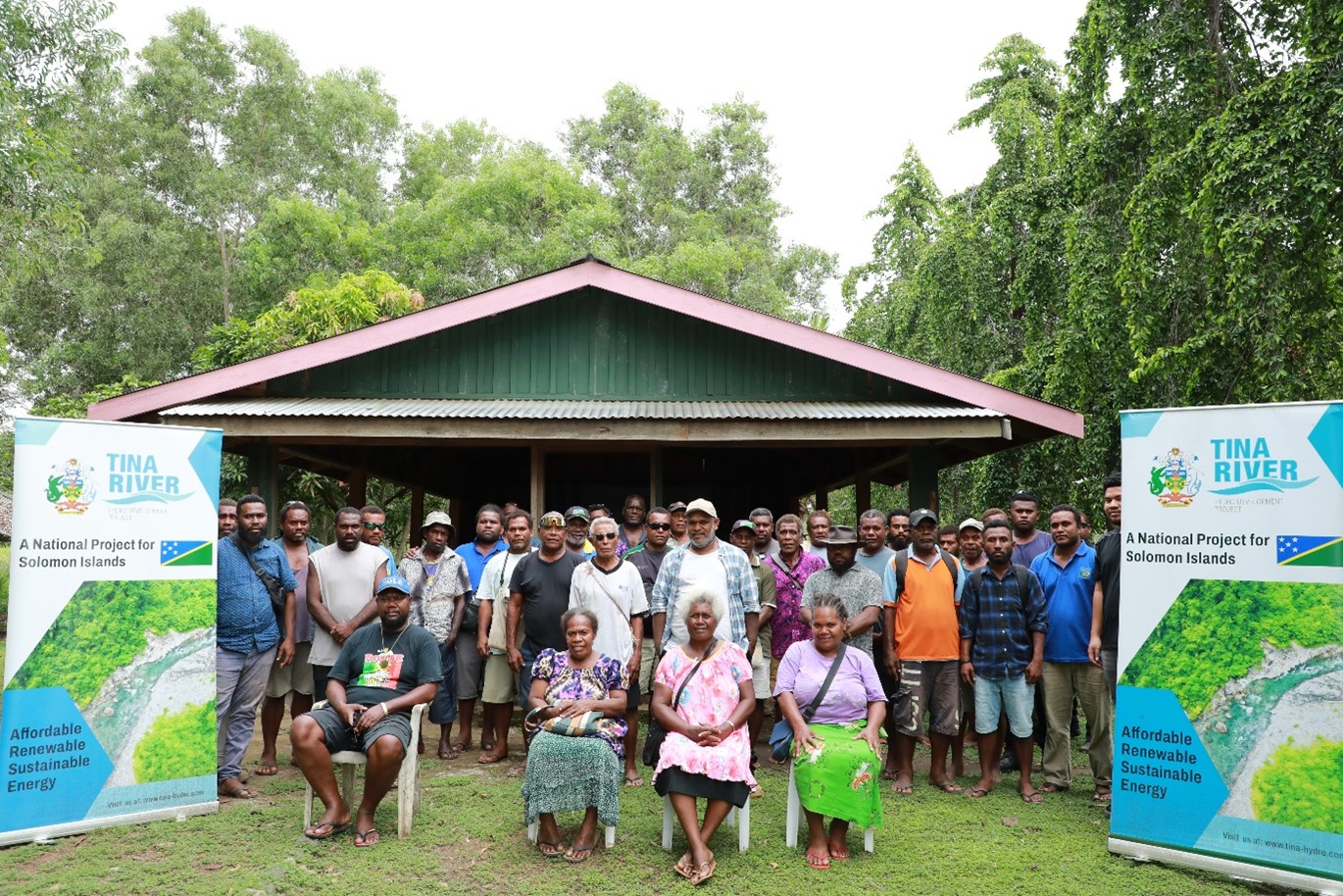
Photo 6 – Group Photo of the Participants and Facilitating Team for the Bahomea House of Chiefs PA Awareness and Consultation.
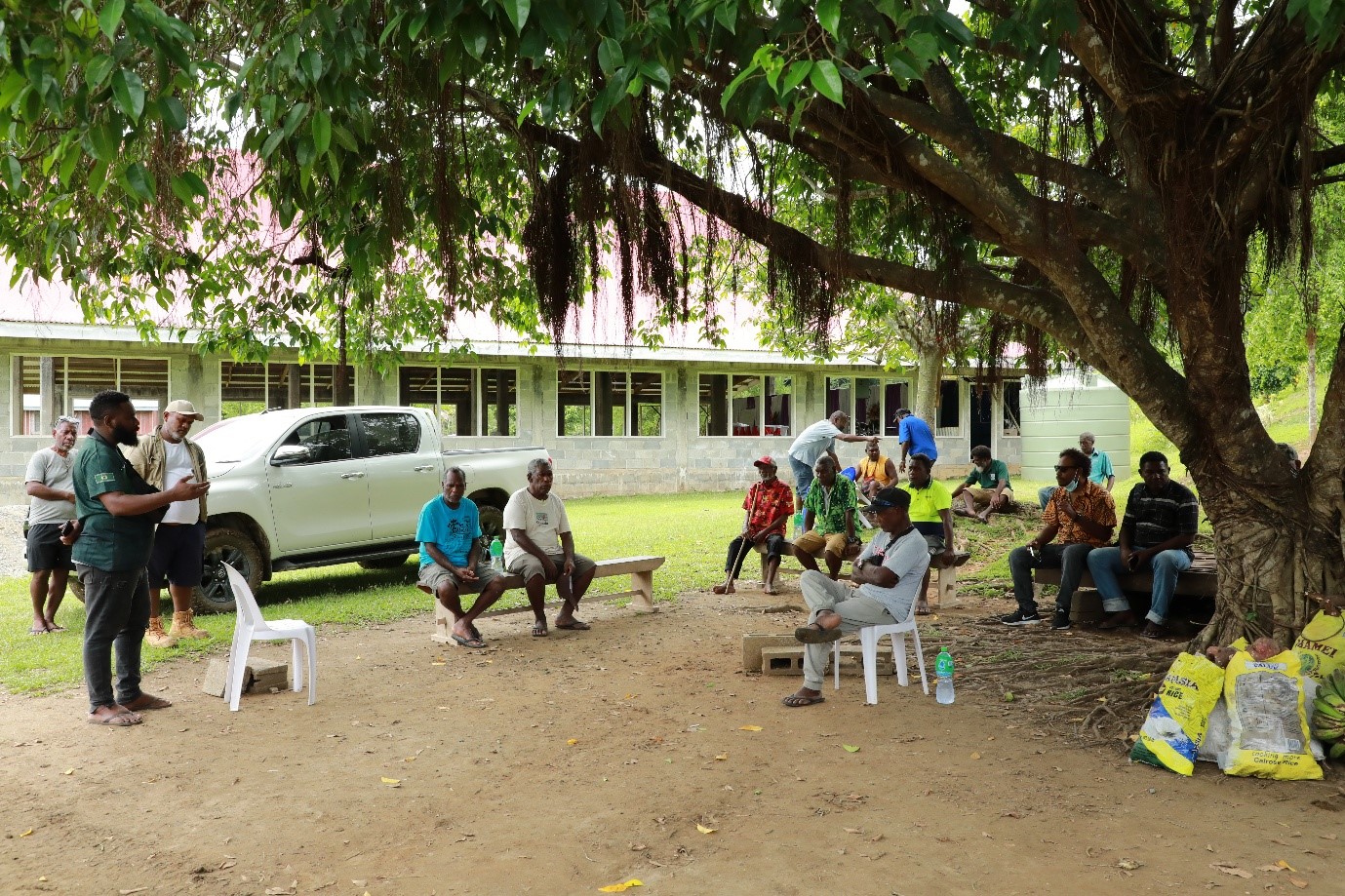
Photo 7 – Noel Labu (Youth Representative) introducing the Cultural Protocol formalities and the team to tribal leaders of Malango House of Chiefs.
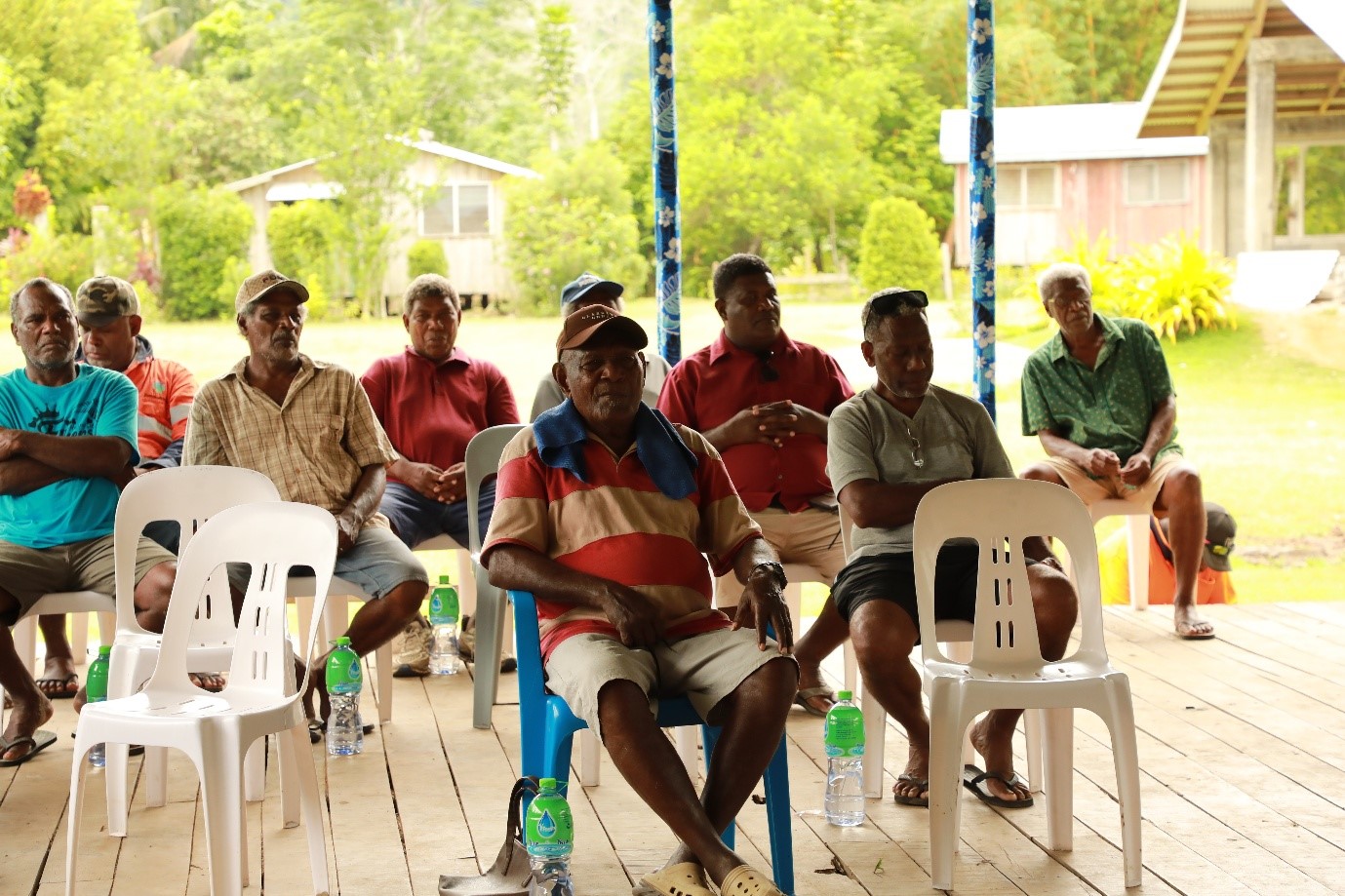
Photo 8 – Groups of Chiefs and Tribal Leaders from the Malango House of Chief listening to Consultation Activity and Introductions.
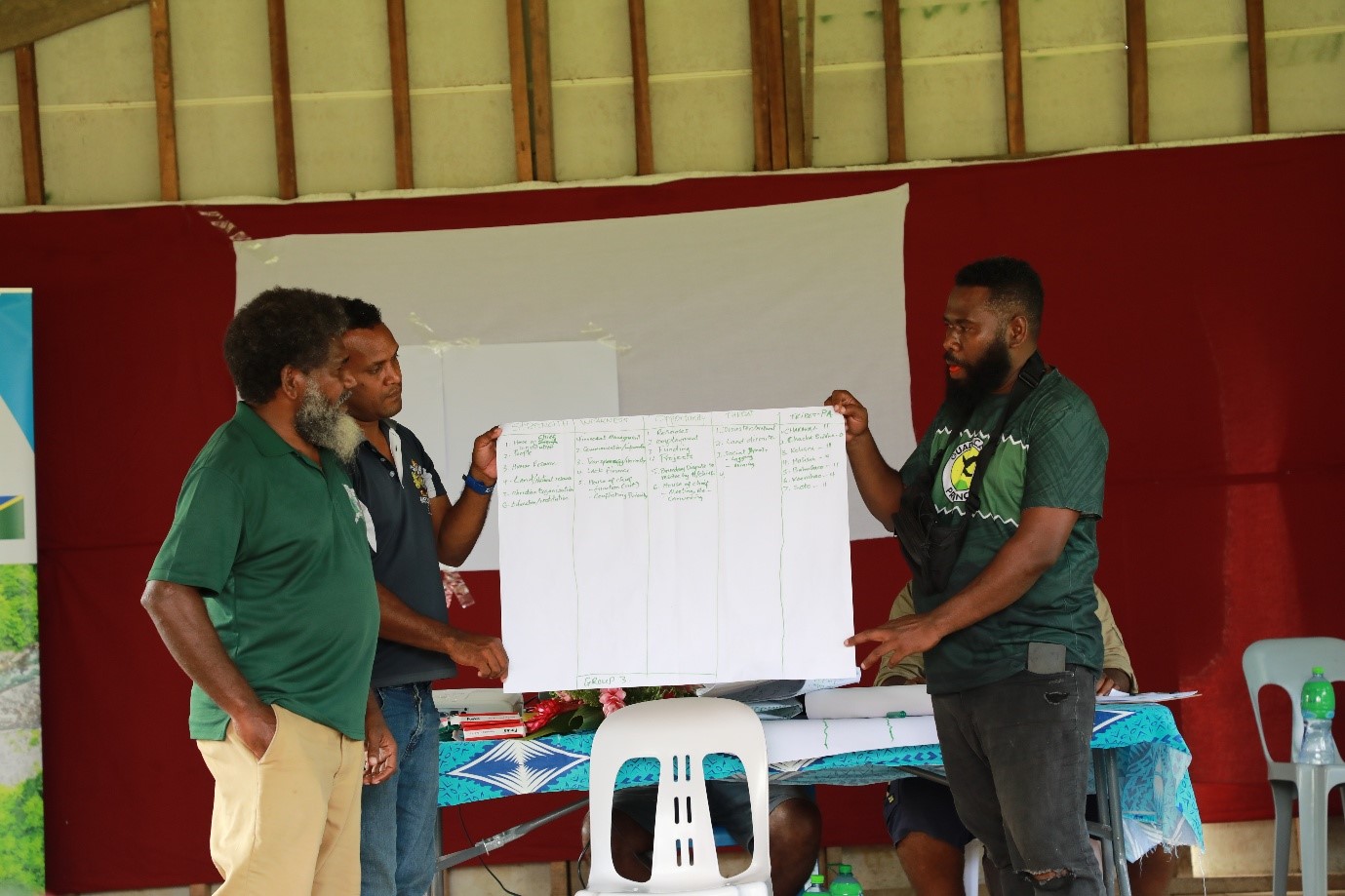
Photo 9 – A tribal leader from Malango, representing Group 4 doing a group presentation on their SWOT Analysis for Protected Areas. Noel and Fredrick assisted him.
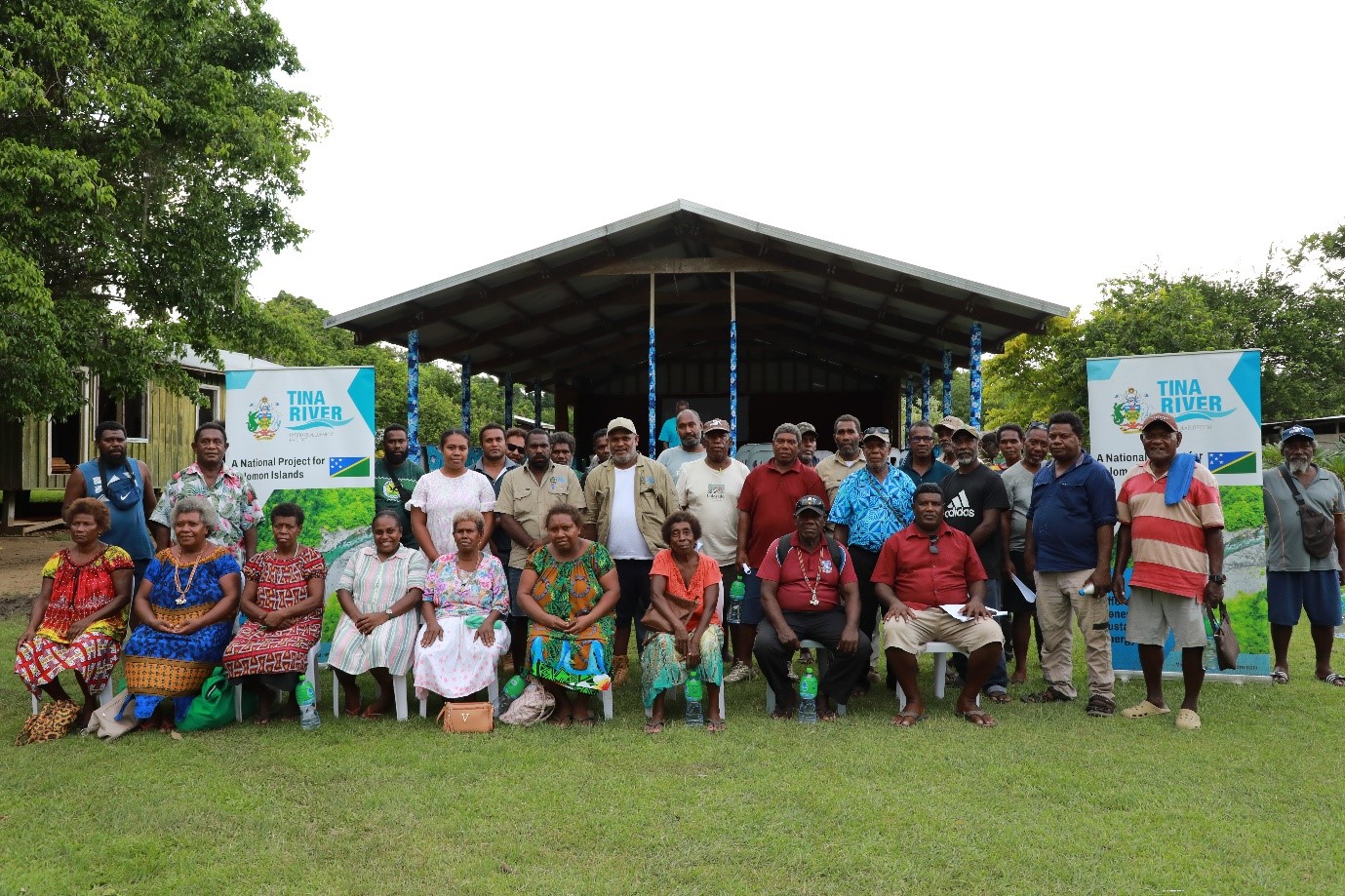
Photo 10 – Group Photo of the Participants and Facilitating Team for the Malango House of Chiefs PA Awareness and Consultation.
For more information, contact:
Communications Officer: Jeanine Gadepeta email: jeanine.gadepeta@tina-hydro.com
Tina Hydropower development project
+677 25133
About Tina River Hydro Development Project (TRHDP)
The first large scale renewable energy project for the Solomon Islands delivering benefits such as more affordable electricity and improved accessibility to cleaner, more reliable energy sources for communities now and in the future. It is being implemented by the Solomon Island Government with financing and support from the Abu Dhabi Fund for Development, the Asian Development Bank, the Government of Australia, the Green Climate Fund, Korea EX-IM Economic Development Cooperation Fund, and the World Bank.
Find out more on www.tina-hydro.com
A National Project of Solomon Islands | Tina River Hydropower Tina River Hydropower is a National Project of Solomon Islands and has as its objective to provide more affordable and reliable energy options to Honiara. www.tina-hydro.com |
or follow us on Facebook, LinkedIn, and YouTube