
Hydro 2025 – Thessaloniki, Greece
From 21st to 24th October 2025, global leaders, engineers, financiers, and environmental experts gathered in Thessaloniki for Hydro2025. This was a landmark event focused on exchanging challenges and opportunities for shaping the future of hydropower in a changing world. Among the many contributors, delegates, and power producers we were proud to see the Tina Hydropower Development Project Office (Mr. John Walenenea JNR-Biodiversity Officer PO) from the Solomon Islands actively participate, share insights from the Pacific and Learnings from global best practices.

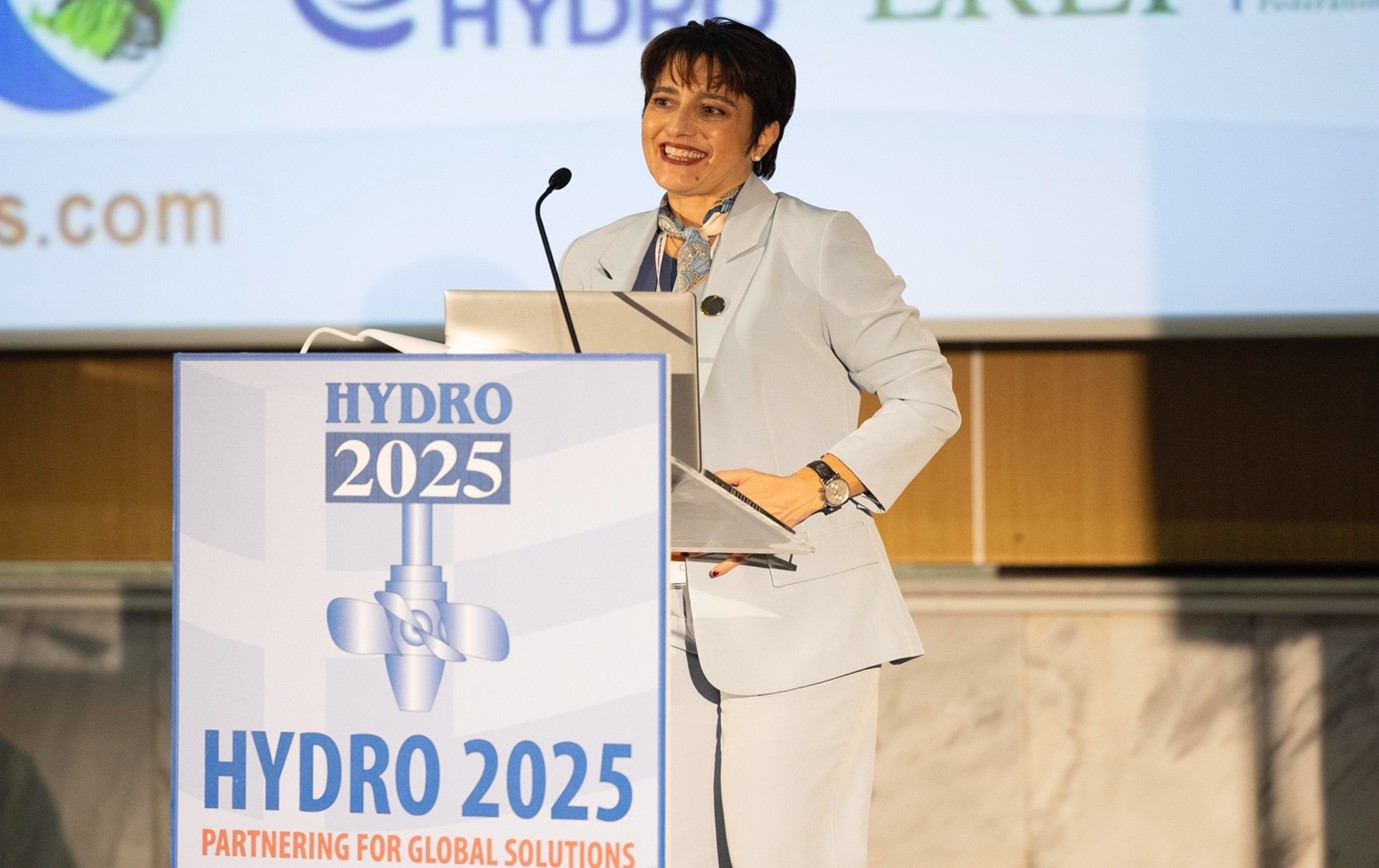
 Photo 1 – Discussion on Hydrology and Flood.
The Conference included a total of 37 sessions covering aspects of Hydro power development, not limited to: Overview of Greek Hydropower; Project Financing; Climate Resilience and Mitigation; Hydrology, Forecasting and Flood Management; Natural Hazards and Glaciers; Design and Construction Innovation; Dam Safety and Monitoring; Sedimentation Management; Hybridization; Hydraulic Machinery; Design and Construction; Legal and Contractual Aspects; Environmental and Social Aspects; Pump Storage; Fish protection; Gates and Spillways; Underwater Engineering; Operational Issues and Maintenance; Artificial Intelligence; Small Hydro; Tunnel and Underground Works; Hydro Uprating and Refurbishment; Digital Solutions for Existing Hydropower; Hydro Session; Electrical Engineering and Grid Issues; European Initiatives Supporting Hydro Power; and Multipurpose Hydropower Projects.
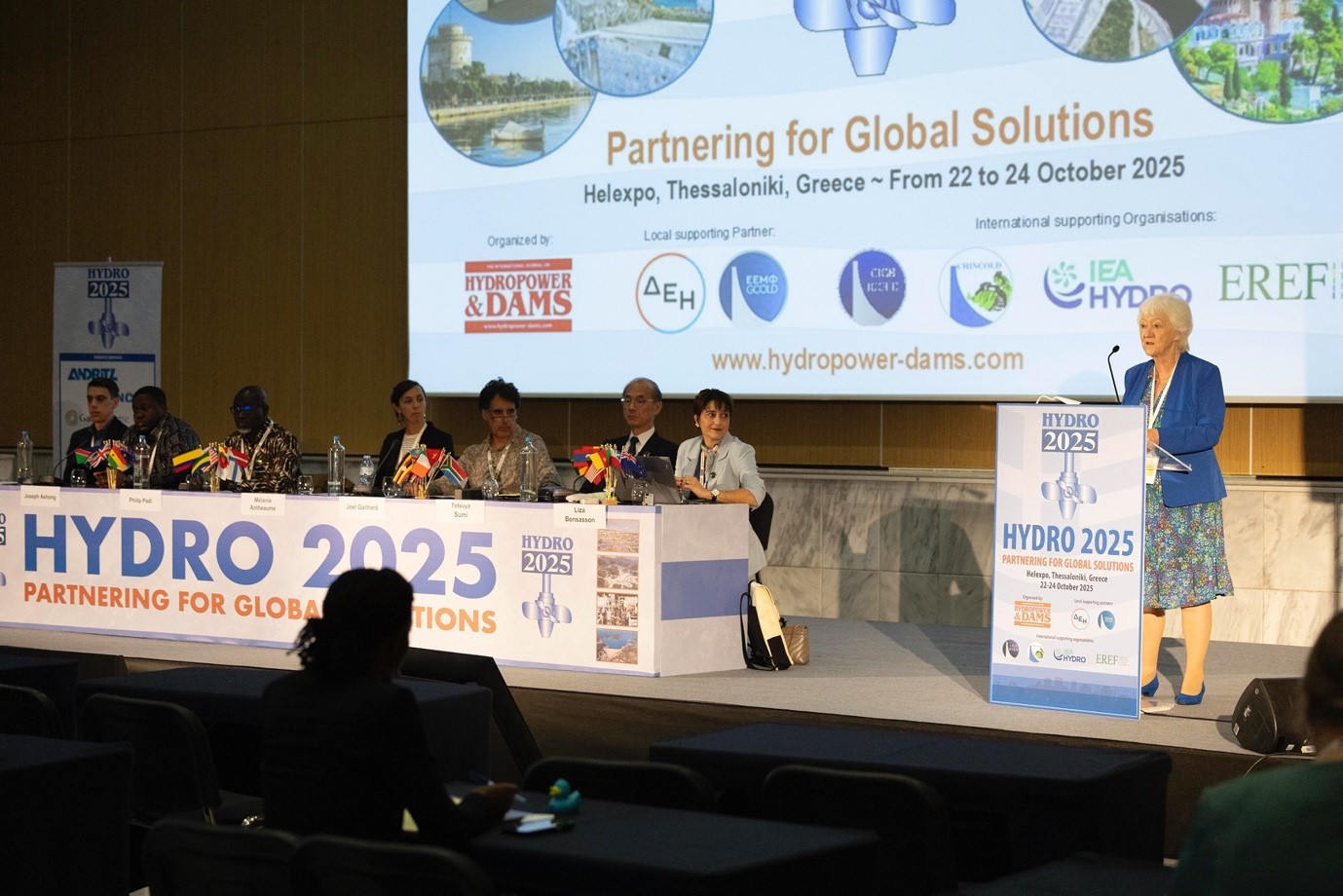
Sedimentation & Reservoir Sustainability
The conference presented different types of technologies for Real-time sediment monitoring and forecasting. There are technologies which are critical for turbine protection and reservoir management. These decisions are critical for the management of dam-related infrastructure and can greatly reduce maintenance costs.
Fish Protection & Biodiversity Monitoring
In the session on Fish and Biodiversity, there are AI-based technological systems that can identify species and abundance of fish passing through. This is a critical method for fish and biodiversity tracking. These could support Hydropower Project’s Environmental compliance and conservation goals, especially in sensitive river ecosystems.
Dam Safety & Monitoring Innovations
The use of satellite-based INSAR and neural networks for structural and geotechnical monitoring was presented. This technology is crucial for identifying old and new landslides, which can add sediments to the reservoir and the dam. Hydropower Projects can consider integrating these technologies into its long-term monitoring and safety protocols.
Strengthening Climate Resilience Strategies
The conference emphasised the importance of climate resilience assessments for hydropower infrastructure, including tools like the Climate Change Risk Assessment (CCRA) and integrated water resource management. Hydropower Projects can benefit from applying these frameworks to assess long-term climate risks and have in place mitigation measures for communities downstream to minimise and eliminate disaster loss and damage.
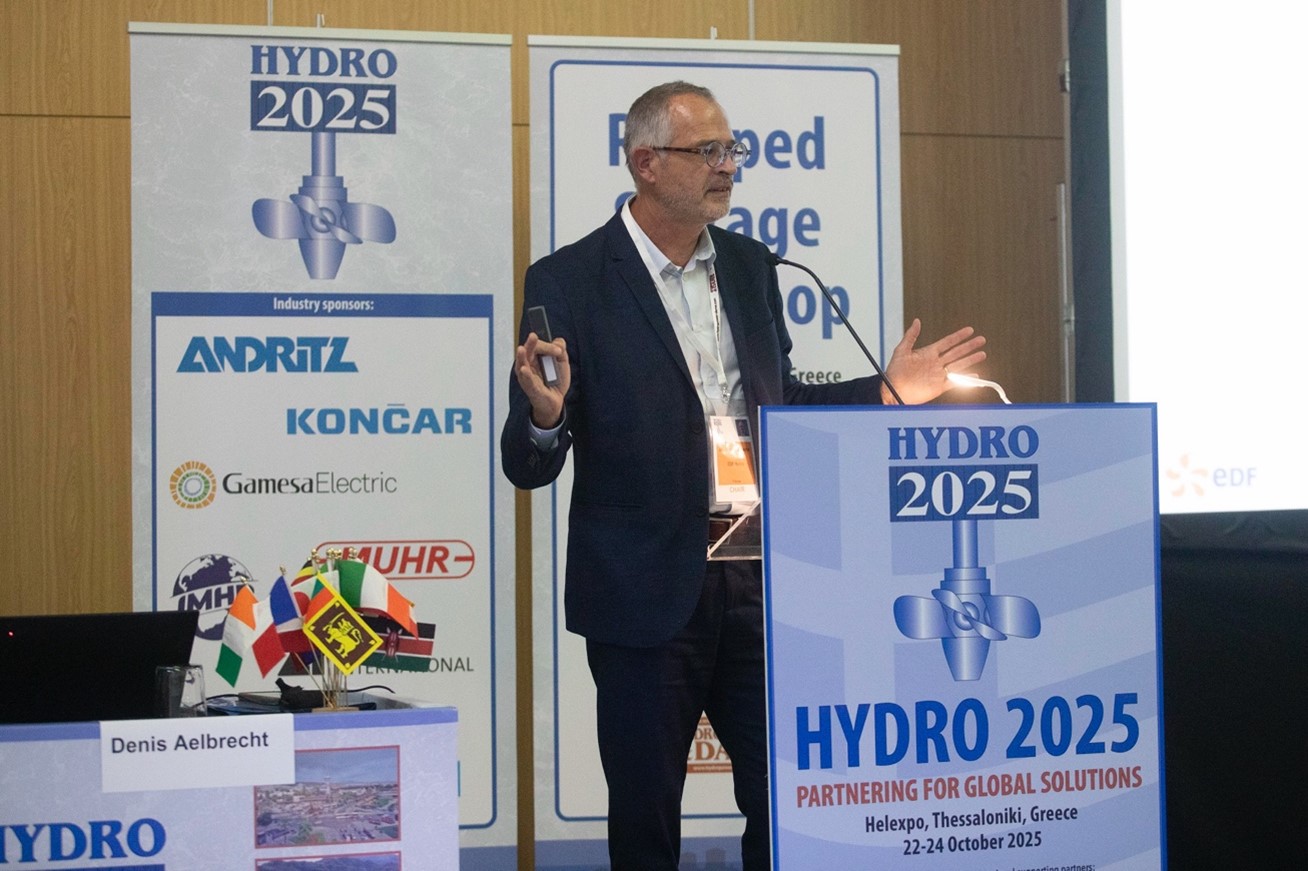
Photo 3 – Chairperson for Session 22 on Climate change Mr. Denis Aelbrecht, EDF, France delivering the session.
Environmental & Social Safeguards
Presentations highlighted carbon footprint reduction through early planning, material reuse, and contractor accountability. Tina Hydro can adopt carbon accounting methodologies to promote the minimising of and community engagement strategies to enhance sustainability and social acceptance.
Forecasting & Flood Management
The session on Hydrology and floods features presentations from Japan, France, and Italy. These showcased advanced forecasting tools that enable Reservoir drawdown with minimal water loss, regulated by government policy; timely flood mitigation; and improved storage recovery.The presentations also highlight the value of institutionalising forecasting protocols in project-level or national guidelines. This is a potential area for policy development in the Solomon Islands, underscoring the importance of robust hydrological data collection and analysis during the design and construction phases of the project. Finally, it is important to ensure its flood design criteria and operational rules are climate-resilient and reviewed periodically.
Global Networking & Knowledge Exchange
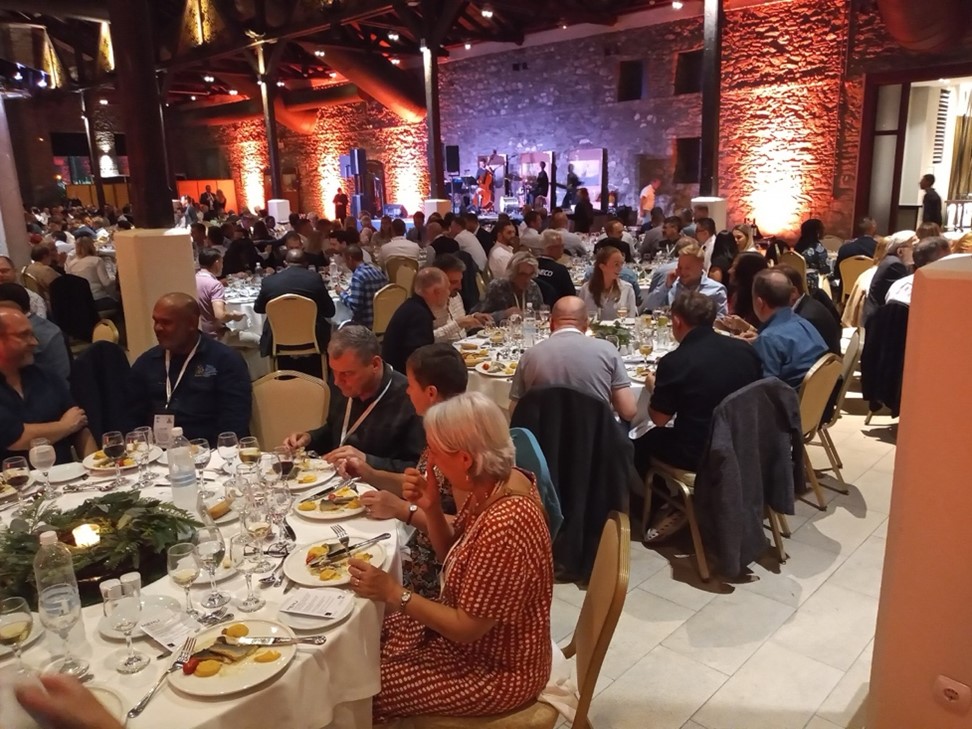
Photo 4 – Representative from Project Office sharing views with other Hydro 2025 participants
The participation in Hydro 2025 provided an opportunity for Government of Solomon Islands and the Project Office team to connect with global experts, share Pacific perspectives, and learn from large-scale projects.
For more information, contact:
Communications Officer: Jeanine Gadepeta email: jeanine.gadepeta@tina-hydro.com
Tina Hydropower development project
+677 25133
About Tina River Hydro Development Project (TRHDP)
The first large scale renewable energy project for the Solomon Islands delivering benefits such as more affordable electricity and improved accessibility to cleaner, more reliable energy sources for communities now and in the future. It is being implemented by the Solomon Island Government with financing and support from the Abu Dhabi Fund for Development, the Asian Development Bank, the Government of Australia, the Green Climate Fund, Korea EX-IM Economic Development Cooperation Fund, and the World Bank.
Find out more on www.tina-hydro.com
A National Project of Solomon Islands | Tina River Hydropower Tina River Hydropower is a National Project of Solomon Islands and has as its objective to provide more affordable and reliable energy options to Honiara. www.tina-hydro.com |
or follow us on Facebook, LinkedIn, and YouTube