
The Tina River Hydropower Development Project (TRHDP) Project Office continued its engagement in practical safeguards learning through the 10th Environmental and Social Coffee Series on Land Screening and Land Access Management. The session was led by Sophia V. Georgieva, Senior Social Development Specialist, World Bank on 6th March 2026, and brought together development partners and project management units, with contributions from the Solomon Islands Agriculture and Rural Transformation Project and the Urban Water Supply and Sanitation Sector Project. The training focused on the key principles of World Bank Environmental and Social Standard 5 (ESS5), including screening and eligibility, when ESS5 applies, voluntary land donations and access arrangements, compensation entitlements, land use restrictions, resettlement, economic displacement, vulnerable groups, consultation, grievance management, and monitoring and reporting.
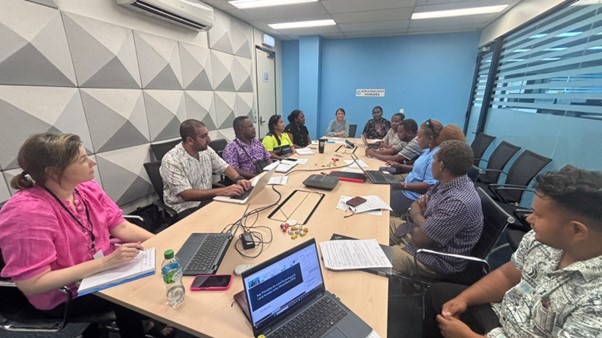
 Photo 1 – Sophia Georgieva from the World Bank delivering session on ESS5) on land screening and eligibility
For the World Bank, the session reinforced the importance of early and systematic land screening, clear documentation of land transactions, meaningful consultation with affected persons, and transparent grievance handling. The training materials emphasised that even where land transactions are voluntary, projects must identify all rights and claims, ensure informed consultation, document agreements properly, and maintain appropriate compensation, benefit-sharing and grievance redress arrangements. The session also underlined that compensation should be based on replacement cost, that affected persons may include both formal and informal land users, and that land acquisition and resettlement processes must be completed and verified before civil works begin.
A practical case study presented during the session drew on the Tenaru Field Experimental Station (TFES) due diligence assessment under the SIART Project. The example covered land status verification, identification of affected persons, crop and asset assessment, compensation at full replacement cost, preparation of a Resettlement Action Plan, and disclosure of documentation. The case study concluded that all affected persons had been consulted and compensated, with no outstanding resettlement issues. This practical example highlighted the value of structured due diligence, timely documentation and transparent follow-up in managing land-related risks.
Mr. Sahibzada Tanzeel (Project Office -ESSM) shared Solomon Islands Government’s experience with land acquisition 2017. At TRHDP customary land practice was treated as central to land acquisition rather than as a procedural afterthought and the planning stage recognized that, in Guadalcanal, customary ownership is not systematically recorded, tribal affiliation is generally matrilineal, and land claims are grounded in Kustom. A key feature of the Tina approach was the use of the Bahomea Land Identification Committee (BLIC), an indigenous body of chiefs, elders and storytellers that applied Guadalcanal customary methods to investigate land ownership. The BLIC process reportedly ran with many meetings. The Project Office then built on this customary process through community consultations across villages, meetings with the tribal representatives, and follow-up discussions on the proposed compulsory acquisition and the Tina Core Land Company. The Process Agreement is one of the strongest practical lessons from Tina Hydro which was negotiated over several rounds in Solomon Islands Pijin, with independent legal support funded for landowning tribes, full tribe meetings to confirm understanding, and female participation encouraged. Each tribe selected representatives for signing, including two women. The agreement included culturally important and commercially relevant terms: 50% ownership in the acquired land through TCLC, support to establish tribal corporations/cooperatives.
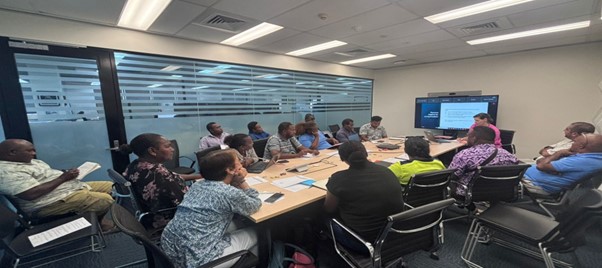
Photo 2 – Case study by Tenaru Field Experimental Station by SIART Project
These peer-learning exchanges continue to support the Project Office’s efforts to strengthen environmental and social safeguards implementation, particularly in land access screening, consultation processes, grievance management and documentation standards. The Project Office values the continued collaboration of the World Bank, the Asian Development Bank and participating PMUs in building practical safeguards capacity across projects in Solomon Islands.
For more information, contact:
Communications Officer: Jeanine Gadepeta email: jeanine.gadepeta@tina-hydro.com
Tina Hydropower development project
+677 25133
About Tina River Hydro Development Project (TRHDP)
The first large scale renewable energy project for the Solomon Islands delivering benefits such as more affordable electricity and improved accessibility to cleaner, more reliable energy sources for communities now and in the future. It is being implemented by the Solomon Island Government with financing and support from the Abu Dhabi Fund for Development, the Asian Development Bank, the Government of Australia, the Green Climate Fund, Korea EX-IM Economic Development Cooperation Fund, and the World Bank.
Find out more on www.tina-hydro.com
A National Project of Solomon Islands | Tina River Hydropower Tina River Hydropower is a National Project of Solomon Islands and has as its objective to provide more affordable and reliable energy options to Honiara. www.tina-hydro.com |
or follow us on Facebook, LinkedIn, and YouTube